We’ve all been there. You’ve spent hours searching for your next dream nanny role, and you’ve finally found the perfect opportunity. Now, the only thing standing between you and the job is the interview and trial stage.
Whether your interview is in person or online, preparation is key. Interviews can feel daunting, especially if you’re feeling nervous, but with the right approach you can confidently showcase your experience, personality, qualifications, and passion for childcare.
Here are our top tips to help you make a fantastic first impression and increase your chances of securing your next nanny position.
Be on Time
First impressions count, and punctuality is one of the easiest ways to make a positive one.
Plan your journey in advance, allowing extra time for traffic, parking, or public transport delays. Aim to arrive 10–15 minutes early. If your interview is online, log in 5–10 minutes beforehand to test your camera, microphone, and internet connection.
Being punctual demonstrates that you are reliable, organised, and respectful of the family’s time.
Dress Professionally
Your appearance should be smart, clean, and professional while still reflecting the practical nature of the role.
Choose comfortable clothing that you could easily move around in if you are asked to interact with the children. Avoid overly formal or casual outfits and keep accessories to a minimum.
Remember, families are looking for someone who can represent their household professionally while caring for their children.
Be Friendly, Warm and Polite
A smile goes a long way.
Introduce yourself confidently, offer a handshake if appropriate, maintain good eye contact, and be courteous throughout the interview. Families aren’t only hiring someone with the right qualifications, they’re inviting someone into their home and trusting them with their children.
Showing warmth, enthusiasm, and genuine interest can help build an immediate connection.
Do Your Research
Before your interview, familiarise yourself with the role and any information you have been given about the family.
Think about:
- The children’s ages and developmental stages.
- The daily responsibilities.
- The family’s routines and expectations.
- Any special requirements, such as allergies, additional needs, or school runs.
Having a good understanding of the role will help you tailor your answers and demonstrate that you’ve taken the opportunity seriously.
Bring Your Documents
Even if you’ve already provided copies to your agency, it’s always a good idea to bring original documents with you.
These may include:
- Enhanced DBS or Police Check
- Paediatric First Aid Certificate
- Childcare qualifications
- Training certificates
- Passport or right-to-work documents (if requested)
- Driving licence (if relevant)
- Written references or a portfolio of activities and crafts you’ve completed with previous children
Being organised shows professionalism and preparedness.
Communicate with Confidence
Avoid answering questions with a simple “yes” or “no.”
Instead, use examples from your previous roles to explain how you’ve handled different situations. Families appreciate hearing real-life experiences that demonstrate your skills.
For example, if you’re asked how you manage challenging behaviour, explain your approach, why you use it, and describe a positive outcome you’ve achieved.
The more specific your examples, the easier it is for families to picture you caring for their children.
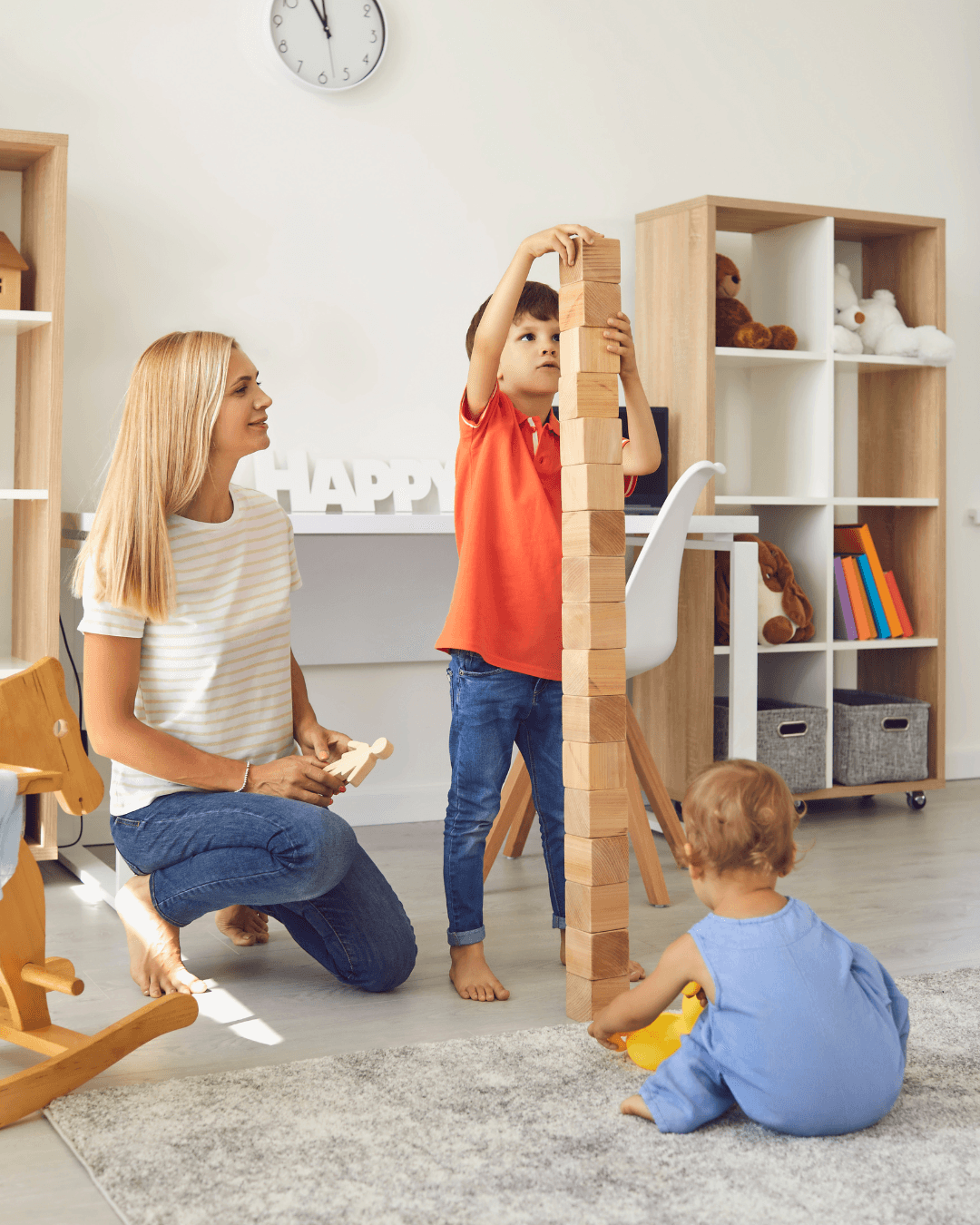
Engage with the Children
If the children are present during the interview, don’t forget that they are your future employers too!
Get down to their level, introduce yourself, ask about their favourite toys or hobbies, and engage them naturally through conversation or play.
Avoid forcing interaction if they are shy. Instead, allow them to warm to you at their own pace while showing patience and genuine interest.
Families often pay close attention to how naturally you connect with their children.
Ask Thoughtful Questions
Remember, you’re interviewing the family just as much as they are interviewing you.
Preparing thoughtful questions shows professionalism and helps you decide whether the role is the right fit.
Consider asking:
- What does a typical day look like?
- What are your parenting values and routines?
- What qualities are you looking for in your ideal nanny?
- How do you prefer to communicate day-to-day?
- Are there any household duties beyond childcare?
- What are your expectations during school holidays?
- What would success in this role look like after six months?
Understanding expectations from the beginning helps build a successful long-term working relationship.
Be Honest
It’s important to be honest about your experience and abilities.
If you haven’t encountered a particular situation before, explain how you would approach it based on your knowledge and childcare experience. Families appreciate honesty far more than exaggerated claims.
Likewise, if there are aspects of the role that may not suit you, it’s better to discuss them openly before accepting the position.
Prepare for Common Interview Questions
Many families ask similar questions during interviews. Preparing your answers beforehand will help you feel more confident and ensure you don’t forget important details.
Some common questions include:
- Why did you decide to become a nanny?
- Tell us about your childcare experience.
- What qualities do you think make an excellent nanny?
- What is your approach to behaviour management and discipline?
- How would you handle sibling conflict, tantrums, or challenging behaviour?
- What activities would you plan for children of this age?
- How do you encourage learning through play?
- How do you communicate with parents about a child’s day?
- What did you enjoy most—and least—about your previous nanny role?
- How do you handle emergencies?
- Why are you interested in working with our family?
Practising your answers with a friend or family member beforehand can help you feel more relaxed on the day.
Remember the Trial Day
Many families will invite shortlisted candidates for a paid trial.
This is your opportunity to demonstrate your practical childcare skills rather than simply talk about them.
Be proactive, interact naturally with the children, look for ways to help without being asked, and stay calm if things don’t go perfectly. Families understand that children may behave differently around someone new, they’re often more interested in seeing how you respond than expecting everything to run flawlessly.
Final Thoughts
Interviews can feel intimidating, but they are also an opportunity to let your personality, professionalism, and passion for childcare shine through.
Families are looking for much more than qualifications, they want someone who is trustworthy, caring, organised, and someone they feel comfortable welcoming into their home. By preparing thoroughly, communicating confidently, and engaging naturally with both parents and children, you’ll give yourself the very best chance of securing the role.
Most importantly, remember that the interview isn’t just about whether the family chooses you, it’s also about whether the family is the right fit for you. Finding a role where your values, expectations, and working style align will lead to a happier, longer-lasting nanny-family relationship.